Performance
Materials designed for demanding real-world conditions.

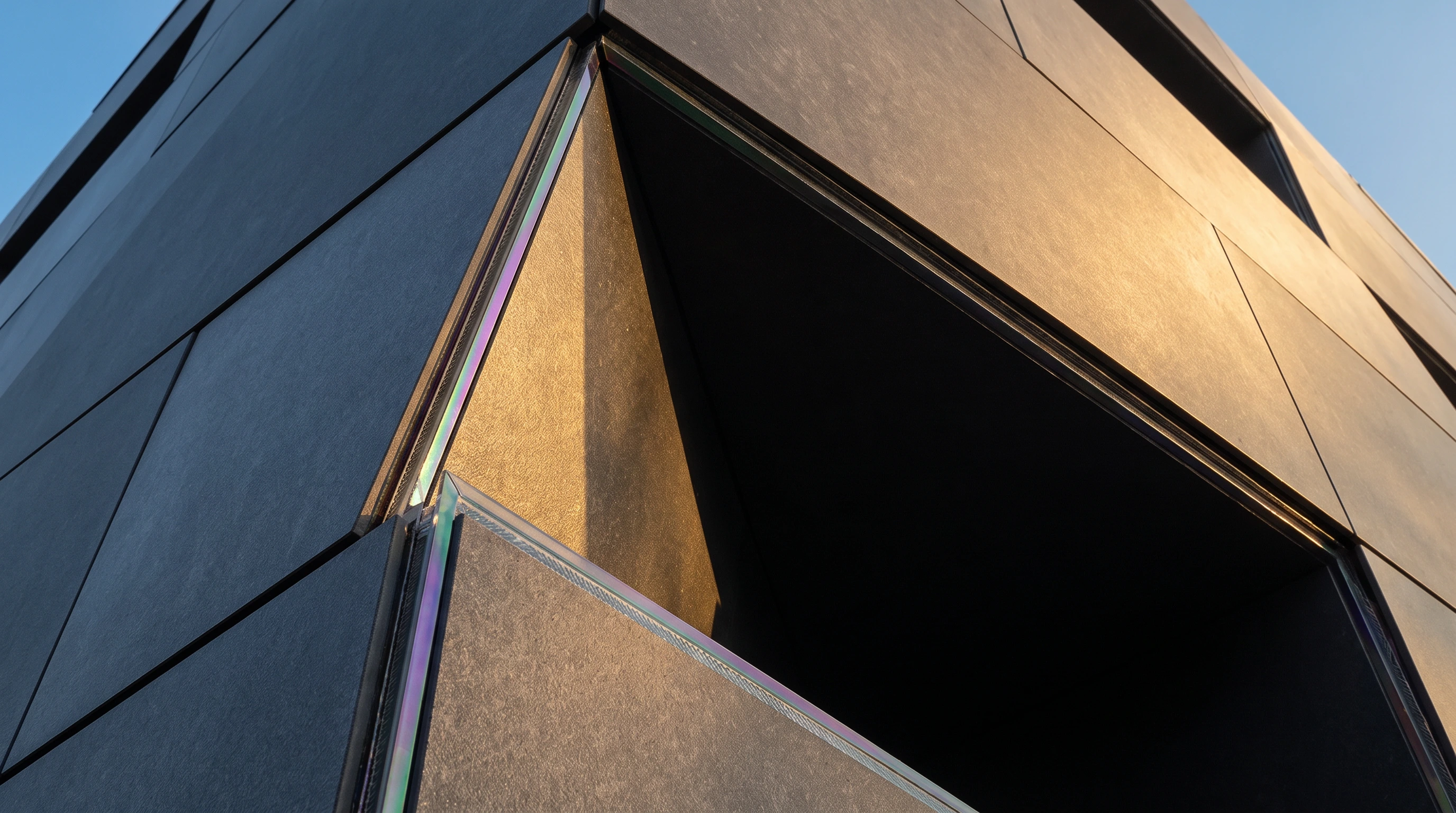
New materials and construction technologies designed for performance, longevity and a lighter footprint.
Every structural improvement compounds across the life of a building.
Osher explores material systems that improve strength, insulation, installation speed and lifecycle efficiency.
We connect laboratory innovation with manufacturing reality and the exacting standards of architects, engineers and builders.
Materials designed for demanding real-world conditions.
Lower waste, simpler assembly and durable envelopes.
Engineering evidence that helps new systems earn trust.
Material Performance
Advanced materials must perform beyond the controlled environment in which they are developed. Osher considers how strength, insulation, durability and installation interact under practical conditions. Clear testing pathways can connect laboratory promise with the needs of designers, manufacturers and builders. Performance earns trust when it is understood across the full application.
Lifecycle Thinking
A material decision continues to shape a structure long after construction is complete. We look at systems through production, transport, installation, maintenance, adaptation and eventual recovery. This wider view can reveal trade-offs that an initial cost comparison may overlook. Better lifecycle choices align immediate utility with enduring resource value.
Efficient Construction
Construction becomes more dependable when components and processes are designed to work together. Osher explores material systems that can support cleaner interfaces, repeatable assembly and clearer quality control. Manufacturing precision may reduce uncertainty at the building site while preserving design intent. The objective is practical efficiency without compromising structural purpose.
Circular Design
Resource responsibility begins before a material reaches the end of its first application. We support design thinking that considers separation, repair, reuse and recovery from the start. Clear material composition and reversible connections can create more options later. Circularity becomes credible when it is engineered into the product rather than added as an afterthought.
Adoption Pathways
A new material must fit technical, operational and commercial realities before it can be widely considered. Osher connects evidence, manufacturing readiness and application knowledge to help clarify that path. Collaboration with relevant specialists can surface constraints early and improve the design response. Adoption grows from a body of understandable proof and practical experience.
“Progress becomes tangible when it can be built.”Osher