Production
Controlled environments and repeatable processes.
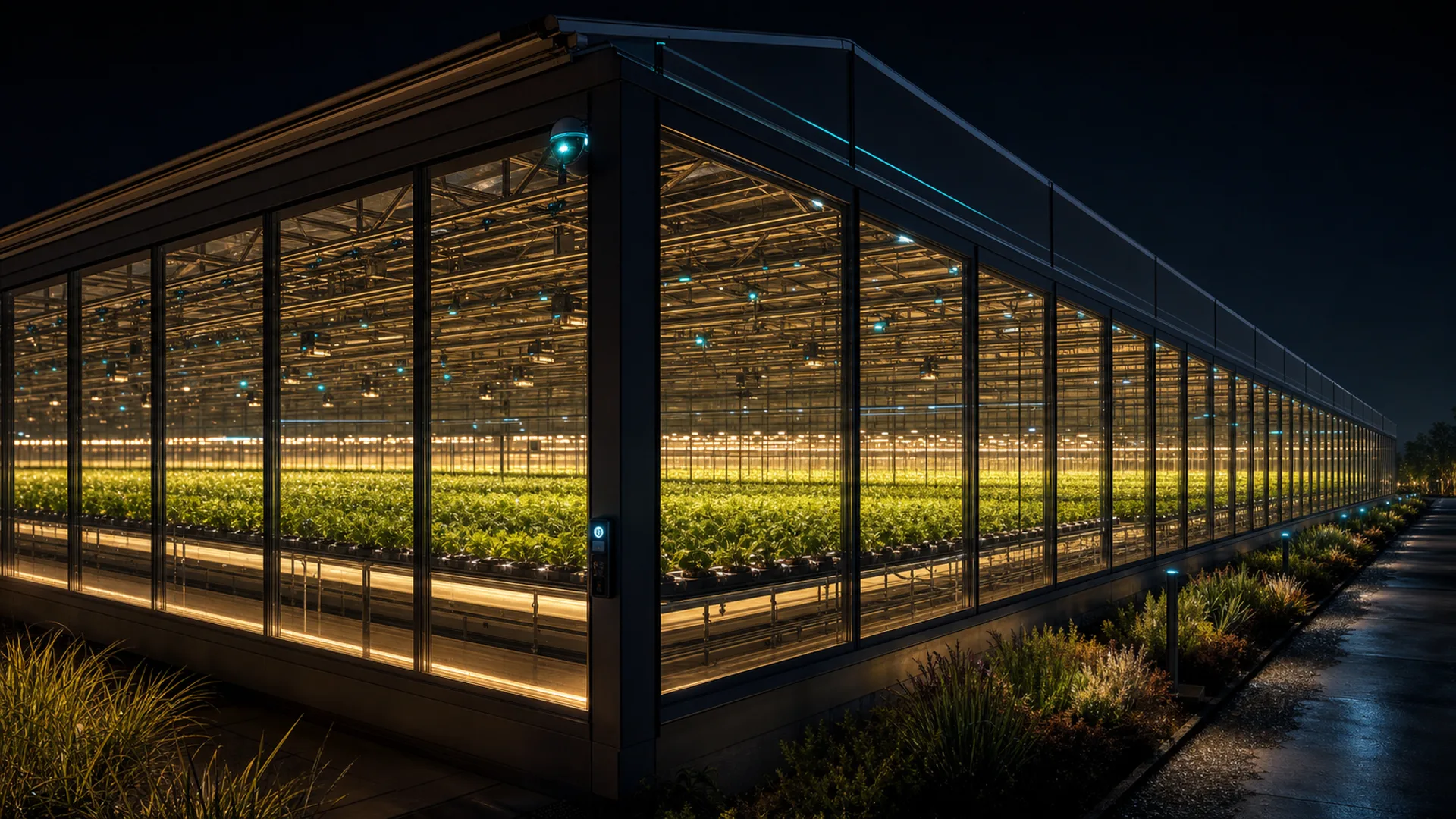
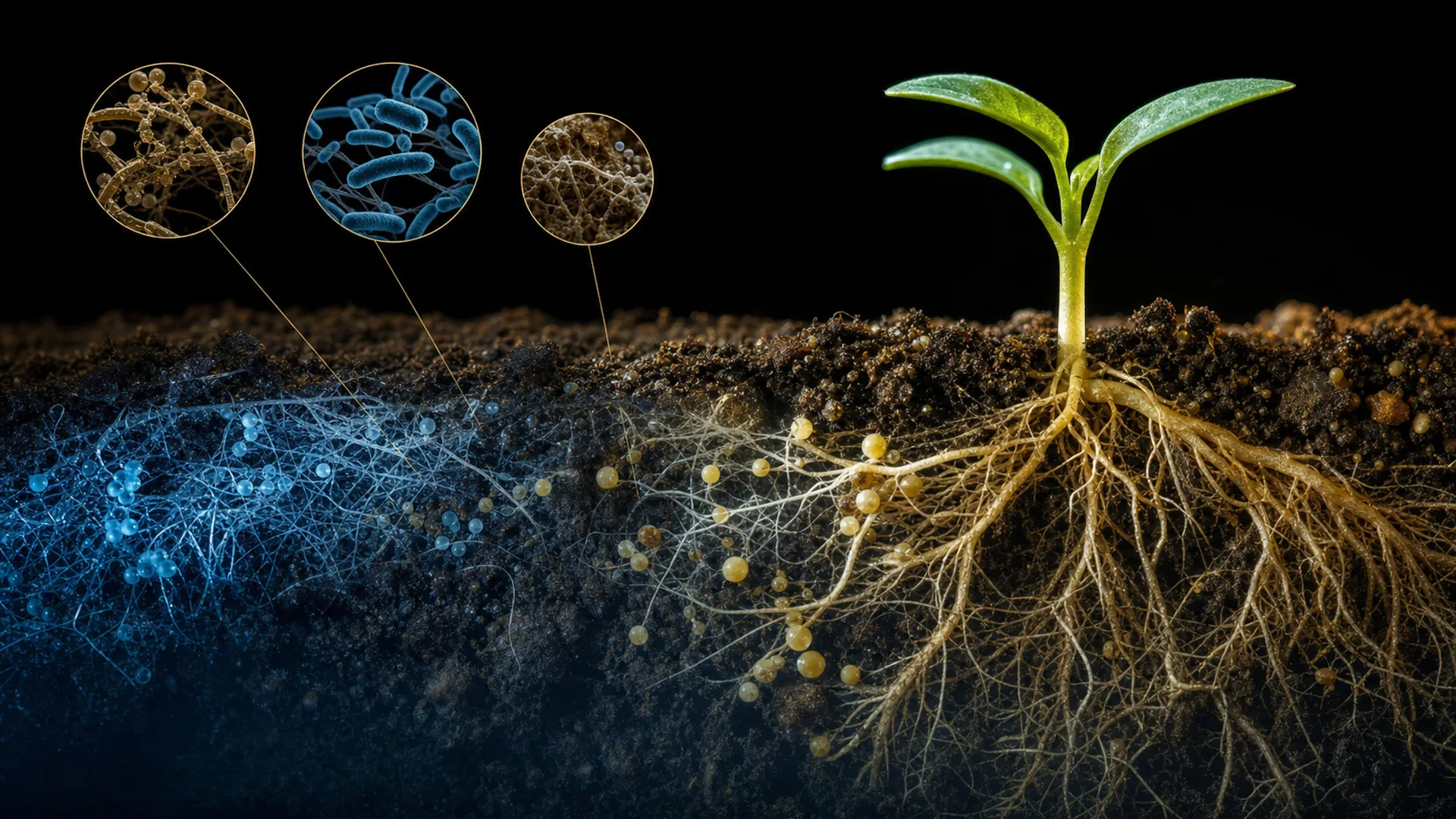
We invest in resilient food production that protects quality, efficiency and the integrity of every process.
Consistency is created long before a product reaches the consumer.
Our focus spans smart production environments, process automation, quality assurance and traceable supply networks.
We support producers that combine craft-level standards with industrial repeatability, reducing waste while strengthening safety and availability.
Controlled environments and repeatable processes.
Continuous sensing and evidence-led assurance.
Transparent movement from input to finished product.
Production Systems
Reliable food production is built through thoughtful process design, not inspection alone. Osher supports environments where inputs, equipment, workflows and responsibilities are clearly defined. Standardization can protect quality while leaving room for informed improvement. This creates a production system that learns without compromising its essential controls.
Quality Intelligence
Quality is easier to protect when relevant signals are visible throughout production. We consider sensing, documentation and review systems that help teams identify variation close to its source. Better context can turn quality assurance from a retrospective activity into an active operating capability. The aim is to support timely decisions grounded in observable evidence.
Traceable Supply
Every food product carries a chain of decisions across sourcing, handling, processing and distribution. Osher explores traceability approaches that make this chain easier to understand and manage. Shared records can strengthen coordination when conditions change or questions arise. Transparency becomes useful when it helps people act, not merely collect information.
Resource Efficiency
Food production loses value whenever materials, energy or time are used without purpose. We support process analysis that identifies avoidable loss and connects improvement to product quality. More precise planning and control can reduce excess without weakening operational flexibility. Efficiency is strongest when it advances both performance and responsible resource use.
Adaptive Production
Demand, ingredients and operating conditions can change faster than a fixed production model expects. Osher values modular processes and clear decision rules that help teams adapt while preserving standards. Digital visibility can make capacity planning and changeovers more deliberate. A flexible system is not less controlled; it is designed to respond with control.
“The future of food is both more intelligent and more accountable.”Osher